

The money risk: Why health insurance is only half the story
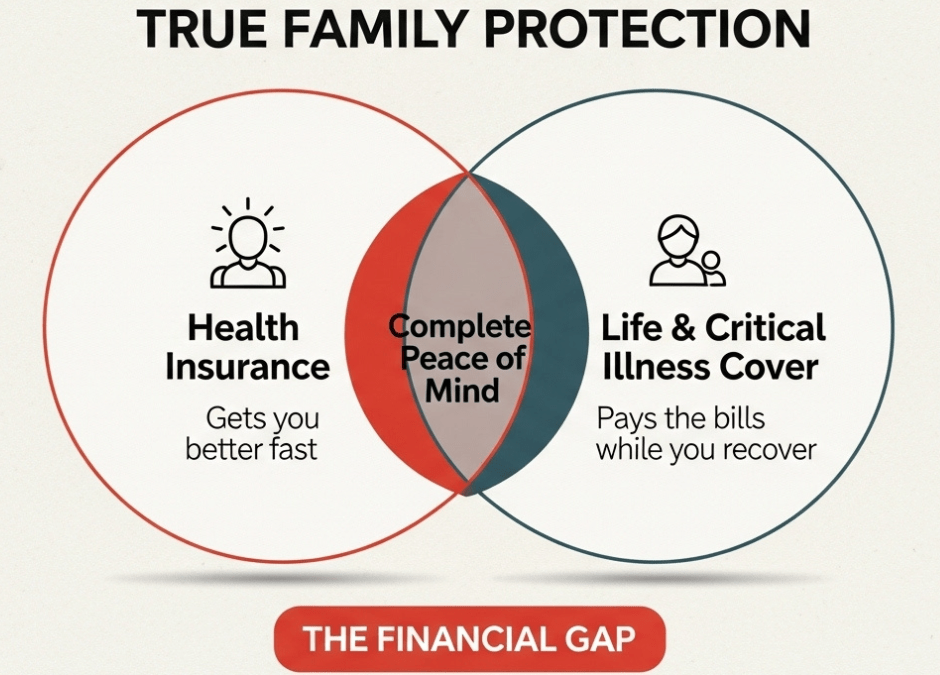
Most of us have a very specific image in mind when we think about private medical insurance. We think about skipping the queues, getting a private room, and seeing a specialist within days. It is about getting well fast.
But there is a second part to that conversation that often gets overlooked until things go wrong. If an illness is serious enough to keep you out of work for six months, the speed of your treatment is only one side of the coin. The other side is the mortgage, the school runs, and the weekly shop.
The three-month cliff edge
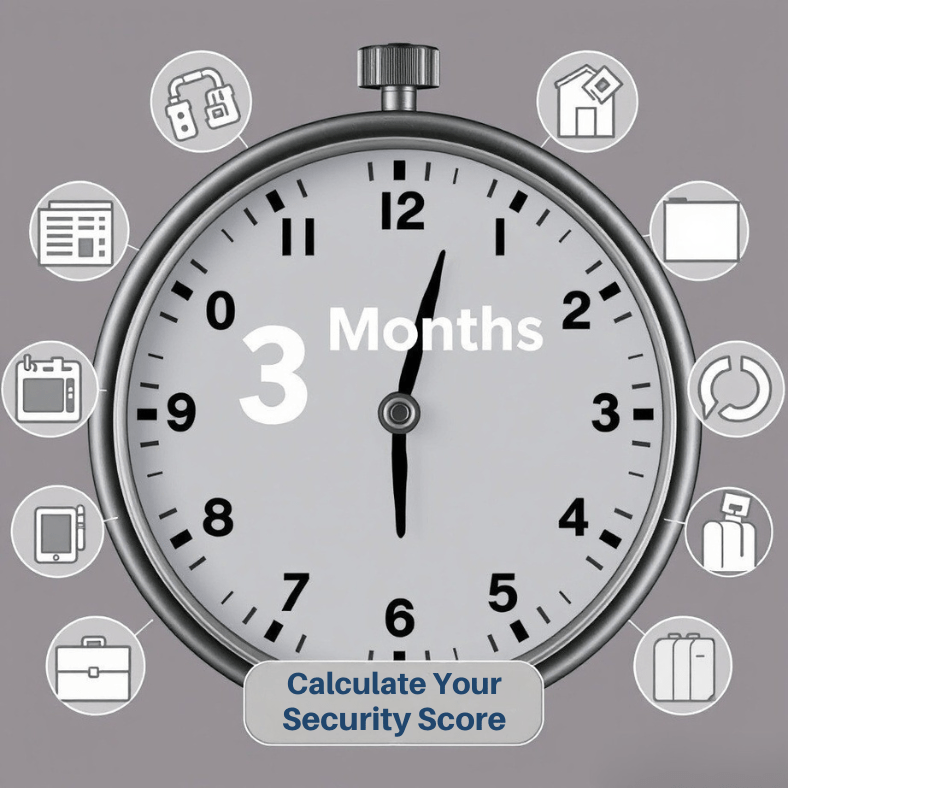
In the UK, the average workplace sick pay lasts about three months. For many, that feels like a decent safety net until you look at the reality of recovery times for serious conditions.
We see a lot of people who are “asset rich” but “cash poor” when it comes to a crisis. Statistics show that many families have less than three months’ worth of savings tucked away. If the main earner is forced to stop work tomorrow, that countdown starts immediately.
A different kind of audit
Private medical insurance handles the risk of health, while life and critical illness cover handle the “money risk.” To protect a family properly, you usually need both to work together.
Life insurance and critical illness cover are often seen as “grudge purchases” because they feel abstract. But they are actually very practical tools. While medical insurance ensures you see the best doctors quickly, critical illness cover keeps the lights on while those doctors do their work. One protects your body; the other protects your life’s work.
It only takes about five minutes to run the numbers and see where the gaps are. Knowing exactly how long your family could manage financially doesn’t just provide a plan; it provides the headspace that helps you recover faster if the worst does happen.
If you are wondering how your own safety net looks, we can help you calculate a family security score. It is a straightforward way to see if your current protection matches your real-world needs. You can find more tools at insuremyhealth.uk, or just give us a call for a sensible chat about what fits your family.
Sources & further reading
- Office for National Statistics, household savings and financial resilience data