The new baseline: Why health insurance is no longer just a “perk”
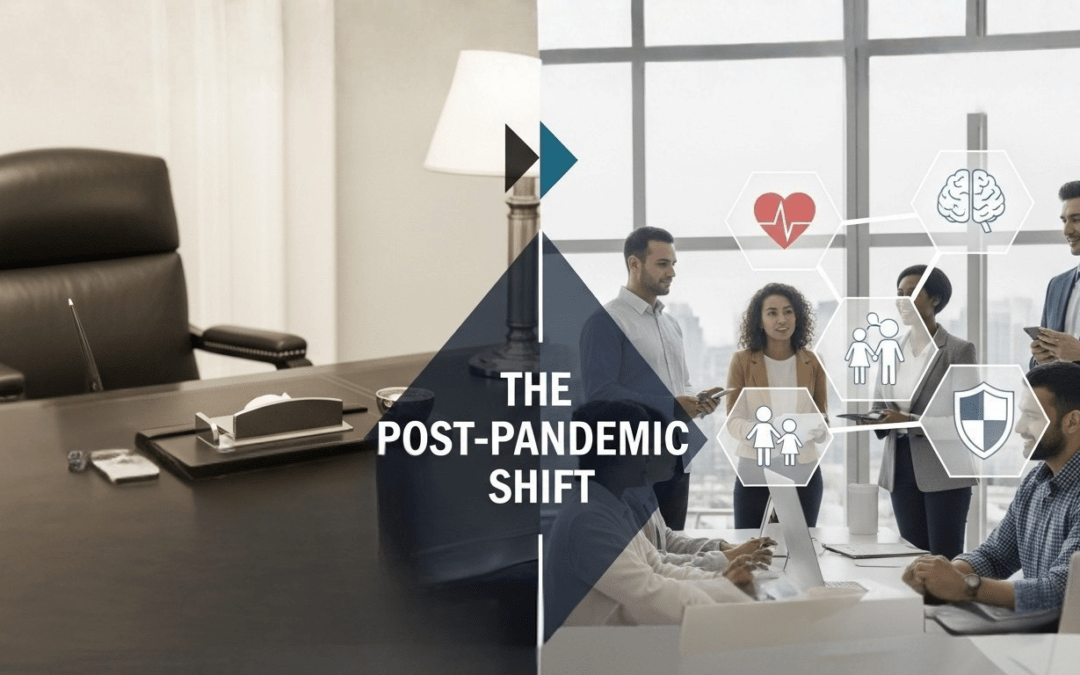
There was a time when private medical insurance was seen as a luxury reserved for the boardroom. Those days are gone. In the post-pandemic landscape, the way we view our health and our work has shifted fundamentally. For many, a health scheme is no longer a nice-to-have addition; it is a baseline expectation.
Recent research has shown that roughly two-thirds of https://insuremyhealth.uk/small-business-health-insurance/. If you’re running a business, this isn’t just about being generous; it’s about staying relevant in a very competitive talent market.
The hidden cost of waiting
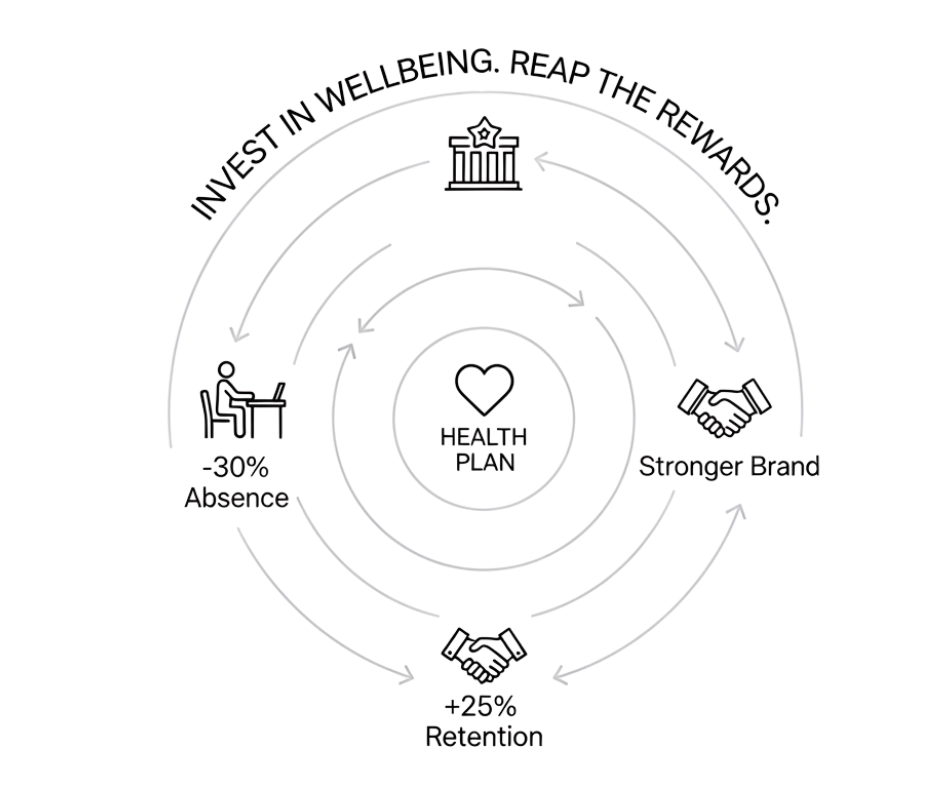
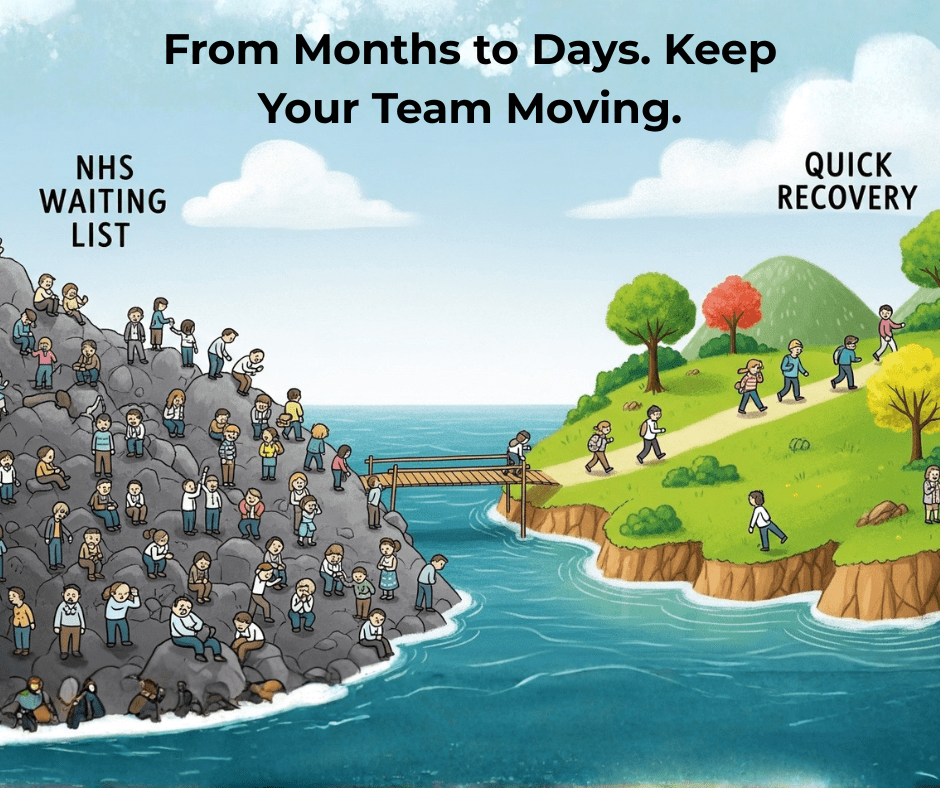
I often talk to business owners who are concerned about the cost of premiums. It’s a valid worry, but it helps to look at the cost of not having cover. The average UK worker takes about 4.4 sick days a year, costing a business roughly £175 per day. When an employee relies solely on public lists, a minor issue can linger for months. Private coverage typically reduces the duration of these absences by up to 30%. By moving waiting times from months down to mere days, you aren’t just helping the individual; you’re keeping your team at full strength.
A ripple effect on your brand
Your reputation as an employer is built on more than just the salary you pay. Providing robust health benefits signals that you actually value the people behind the roles. This has a measurable impact on loyalty and retention. Organisations with comprehensive health schemes often see a 25% improvement in employee retention rates.
Interestingly, this reputation extends beyond your office walls. We know that a large majority of consumers, around 76%, consider how a company treats its staff when deciding where to spend their money. Doing right by your team is, quite literally, good for business.
The “Mental Health Dividend”
It isn’t just about physical recovery. There’s what I call a mental health dividend. Knowing that you have immediate access to professional help if things go wrong creates a sense of psychological safety. It removes the low-level hum of anxiety about health costs or treatment delays, allowing people to focus on their lives and their work.
Psychological safety through immediate access to care removes anxiety and allows people to focus on what matters most.
Making the numbers work
If you’re looking at the bottom line, the return on investment (ROI) is often higher than people realise. When you factor in reduced absenteeism, better retention, and productivity gains, a comprehensive health plan can deliver around £2,800 in annual savings per employee. For many businesses, that represents a 173% return on the premium investment.
There are also practical ways to manage the cost. For example, health insurance can often be arranged through salary sacrifice schemes, which can offer National Insurance savings for both the company and the employees.
A quiet nudge toward better health
At the end of the day, health insurance is about preventative care. It encourages people to deal with small problems before they become big ones.
If you’re weighing up whether to introduce a scheme or looking to refresh your current one, I’m always here for a straightforward conversation. At Insure My Health, my team and I help you cut through the corporate jargon and find a plan that actually fits your team. You can find more details on how we work at insuremyhealth.uk.
Important information
This article is for general information only and reflects publicly available UK data at the time of writing. It is not medical advice.
Sources & further reading
- Corporate Adviser, research on employee benefit expectations and PMI trends
- NHS England, data on average UK sickness absence and productivity
- Office for National Statistics, reports on workforce health and economic impact
- Health and Social Care Committee, reports on national waiting times and private sector integration