Stop letting employee sickness drain your bottom line
As a UK SME leader, you wear many hats, but playing “Chief Worrier” over staff sickness shouldn’t be one of them. We understand the frustration of watching projects stall and the pressure of covering workloads when a key team member is off indefinitely. The true employee sickness cost goes far beyond sick pay and directly impacts productivity, morale, and profitability.
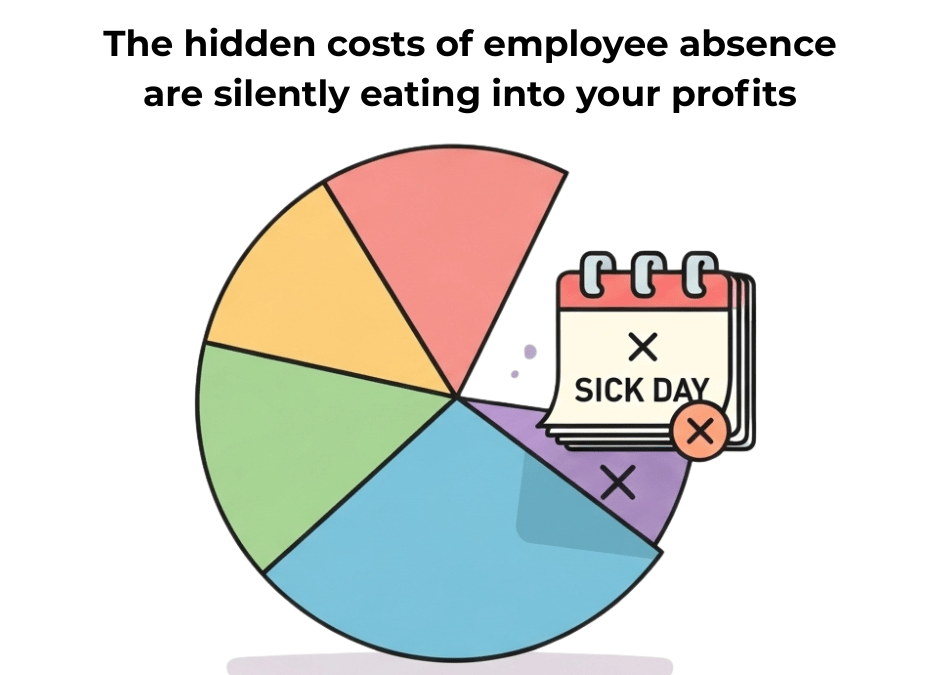
The hidden costs of employee absence are silently eating into your profits. The good news is that private medical insurance is a powerful, strategic tool to regain control. It isn’t just a “nice-to-have” perk; it is a smart financial investment in your greatest asset: your people. However, this challenge is not unavoidable. For example, when SMEs take a proactive approach to employee health, absence levels often fall. As a result, productivity improves and costs stabilise. Therefore, prevention matters just as much as treatment.
The stark employee sickness cost for UK SMEs
The numbers tell a story every business owner knows too well. The average cost of sickness absence per employee is several hundred pounds a year. This isn’t just about statutory sick pay.
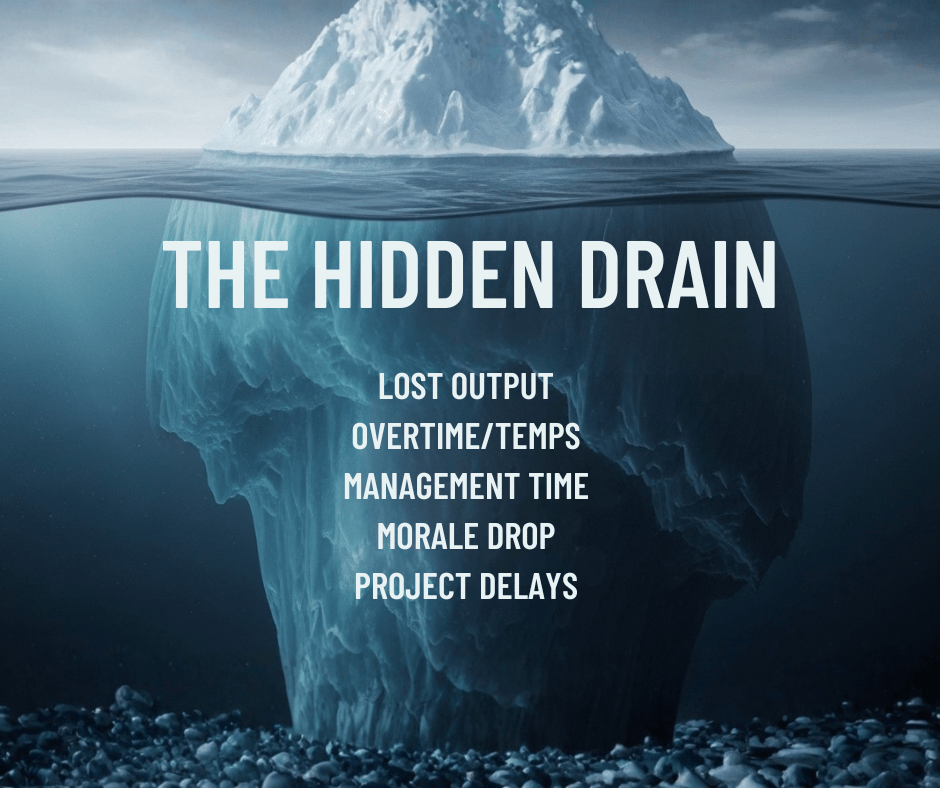
It captures the true cost: lost output, overtime payments, temporary staffing, and the ripple effect on team morale.
The “waiting list” crisis
We are currently facing an uncomfortable truth regarding healthcare access. Millions of people are waiting for consultant-led hospital treatment in England, with median waits often exceeding three months.
When your star project manager needs knee surgery, a 14-week wait means months of reduced productivity. This prolonged uncertainty is a major business disruption for you.
Presenteeism: The silent profit killer
There is also the hidden cost of “presenteeism,” where employees are at work but unwell and unproductive. However, you likely recognise the scenario: a team member with chronic back pain who is still at their desk but clearly struggling. They are present, but their focus is severely diminished. Meanwhile, they are costing the business more than they are contributing.
How PMI cuts your costs
Private medical insurance acts as a “productivity insurance” policy. By bypassing long waiting lists, your employees get diagnosed and treated in days or weeks, not months.
Implementing a scheme is simpler and more affordable than most SMEs realise. You can tailor cover to your budget by choosing an excess to lower premiums or opting for a “6-week wait” plan, where insurance kicks in only if NHS waits exceed six weeks.
Employee sickness is an unavoidable part of life, but the financial impact of that sickness is within your control. If you are ready to see how this could work for your team, we are here to help at insuremyhealth.uk
Key takeaways for UK employers
-
However, employee sickness does not have to drain profits.
-
For example, faster access to treatment reduces long absences.
-
Therefore, productivity improves when health issues are addressed early.
-
As a result, morale stabilises and disruption falls.
-
In conclusion, proactive health support protects your bottom line.
Sources & further reading
- NHS England, waiting times and referral data
- This article is for general information only and reflects publicly available UK data at the time of writing. It is not medical advice.