

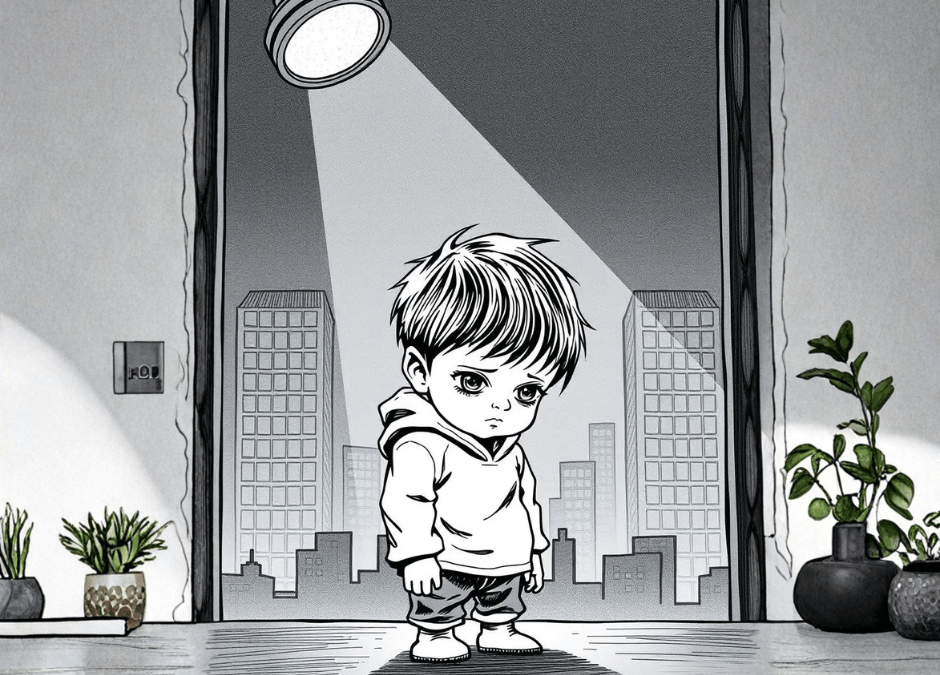
We often picture childhood as a time of simple scrapes and boundless energy. Yet, for a growing number of families across the UK, reality feels very different. A quiet struggle is unfolding in our classrooms and living rooms, centred on our children’s mental wellbeing.
The statistics are stark and move this issue far beyond “just a phase.” According to NHS Digital, approximately one in six children aged 5 to 16 in England were identified as having a probable mental health disorder in 2023. The most common challenges are anxiety and depression. However, the spectrum is wide and includes behavioural, developmental, and eating disorders. Children’s mental health UK trends show this is becoming a growing concern for families everywhere.
Why children’s mental health UK challenges are rising
The causes are complex and intertwined. While it is tempting to single out one factor, experts point to a perfect storm of modern pressures.
- The Digital World Social media and constant connectivity are defining features of adolescence. Beyond the quest for “likes,” this environment can fuel poor self‑esteem, sleep disruption, and exposure to cyberbullying. As a result, a significant number of young people are affected.
- The Pandemic’s Long Shadow For adults, the COVID‑19 years may be fading. For a child, those periods of isolation and disruption happened during crucial developmental stages. Many parents and teachers report lingering social anxiety or a sense of loneliness that wasn’t there before.
- Academic and Social Pressures The pressure to perform academically and navigate complex social dynamics continues to be a significant burden. Online interactions often amplify these stresses.
The Gap Between Needing Help and Getting It
Recognising a child is struggling is one thing. Securing timely, specialist support is another.
Support for children’s mental health UK services is improving, but demand continues to outpace capacity. The demand for NHS Child and Adolescent Mental Health Services (CAMHS) has risen sharply. While dedicated staff work incredibly hard, the system is under immense strain. Current data from organisations like YoungMinds indicates that many children face waiting times of several months. In some areas, families wait over a year for an initial assessment.
This bottleneck, driven by high demand and workforce shortages, means that only a fraction of children who need specialist help receive it promptly. For a family in crisis, 18 weeks can feel like a lifetime. As a result, many parents find themselves searching for alternative routes to support.
What Is Being Done? Recognising the Signs and Building Support
The key to change is early intervention. Mental health issues in children do not always look like dramatic outbursts. They can appear as slow withdrawal, changes in eating or sleeping habits, or a loss of interest in friends and activities.
A major focus has been on strengthening support within communities and schools to catch problems early. Notable initiatives include:
- NHS Mental Health Support Teams (MHSTs) As part of the NHS Long Term Plan, these teams are being rolled out in schools and colleges across England. They work directly with pupils and staff to offer guidance and early support for mild to moderate issues.
- The Role of Charities Charities provide indispensable resources. Mind offers clear guidance for young people and parents. The Mental Health Foundation campaigns for prevention and provides research‑based advice. The Children’s Commissioner for England advocates for improved access and amplifies young people’s voices in policy debates.
- School‑Based Counselling While provision varies, many schools now offer in‑house counselling services. These can be a vital first port of call and often help identify issues before they escalate.
The Path to Support: Exploring the Options
If you are worried about a child, the first step is to open a gentle, non‑judgemental conversation. Your GP remains a critical gateway and can make referrals to local services.
Given the system‑wide pressures, many families explore all available avenues to avoid a long wait. This often involves a combination of:
1. Statutory (NHS) Support This is the backbone of care and is free at the point of use. The long‑term plan aims to expand services. However, significant transformation will take time.
2. Charity and Community Services Local and national charities often provide free counselling, helplines, webinars, and peer support groups. They are an essential lifeline for many families.
3. Private Support This is where private medical insurance can become a relevant consideration. For those who have it, either through an employer or a personal policy, it can offer a route to more immediate help. It may provide faster access to child psychologists, psychiatrists, and therapists, bypassing the longest NHS waiting lists.
It is important to present this option neutrally. The primary advantage is speed, which can be crucial during a crisis. The primary disadvantage is cost. It is one part of a complex landscape, not a universal solution.
Moving Forward
The challenge of children’s mental health is one of the defining issues of our time. Addressing it requires a sustained, collective effort from government, the NHS, schools, charities, and families.
Awareness is growing, and new support structures are slowly being built. For parents and carers feeling overwhelmed, the most important thing to know is that you are not alone. Help does exist, even if it can sometimes feel hard to reach.
The goal, through whatever means are available and appropriate for each family, is to ensure no child must face their struggle in silence for too long.
Whats Next?
Give Jacob at Insure My Health a call, 0333 8808 588. He can run through the details with you informally and explain the options in plain English.
Just practical advice that fits your budget and business structure.
Sources & Further Reading
NHS Digital (2023) Mental Health of Children and Young People in England Survey – https://digital.nhs.uk/?utm_source=copilot.com
YoungMinds: Mental Health Service Statistics – https://www.youngminds.org.uk/?utm_source=copilot.com
The Mental Health Foundation: Children and Young People – https://www.mentalhealth.org.uk
This article is for general information only and reflects publicly available UK data at the time of writing. It is not medical advice.
Insure My Health is a trading style of Parkway Mortgages Ltd, an Appointed Representative of The Right Mortgage Ltd, which is authorised and regulated by the Financial Conduct Authority. Registered in England & Wales Number: 6748364 Registered Office: 78 Castle Lane West, Bournemouth, Dorset, BH9 3JU.